



Stock Brokers in India with Zero Brokerage for Intraday Trading (2026)
The Indian stock market continues to evolve, and for active traders, especially those focused on intraday strategies, the cost of brokerage can significantly impact profitability. In 2026, the landscape of stockbroking is more competitive than ever, with several players disrupting traditional models by offering zero brokerage on intraday trades. This shift is a game-changer, allowing traders to execute multiple trades daily without worrying about mounting commission fees. Let’s dive into two prominent platforms leading this charge: Flattrade and Navia.
Flattrade: Pioneering Truly Zero Brokerage

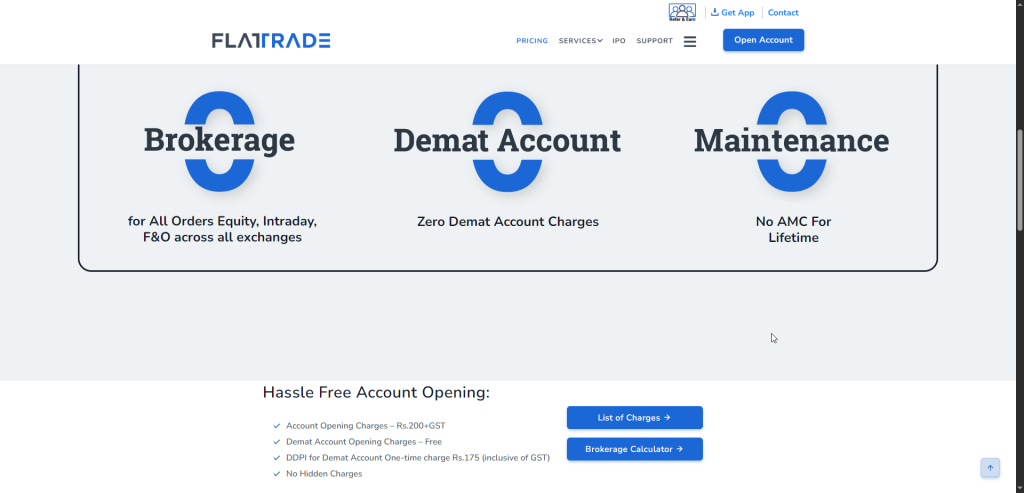
Flattrade has established itself as a frontrunner in the zero-brokerage space in India. What makes Flattrade particularly compelling for intraday traders is its commitment to “zero brokerage on all orders across all segments.” This means you pay no brokerage charges for equity intraday, as well as F&O, currency, and commodity trades. Such a comprehensive offering is a significant advantage, potentially saving active traders a substantial amount over the year.
While the brokerage is zero, it’s essential to note a few other charges. Flattrade charges a one-time account opening fee of ₹200 plus GST, but the Demat account opening is free. They also maintain zero annual maintenance charges (AMC) for the Demat account for life. Other statutory charges like STT/CTT, transaction charges, GST, SEBI charges, and stamp charges will still apply as per regulatory norms. A DP charge of ₹13 + GST per debit transaction is applicable. Flattrade also offers essential tools like a mobile app, web platform, and API access, catering to diverse trading needs.
Navia: Lifetime Zero Brokerage Across the Board
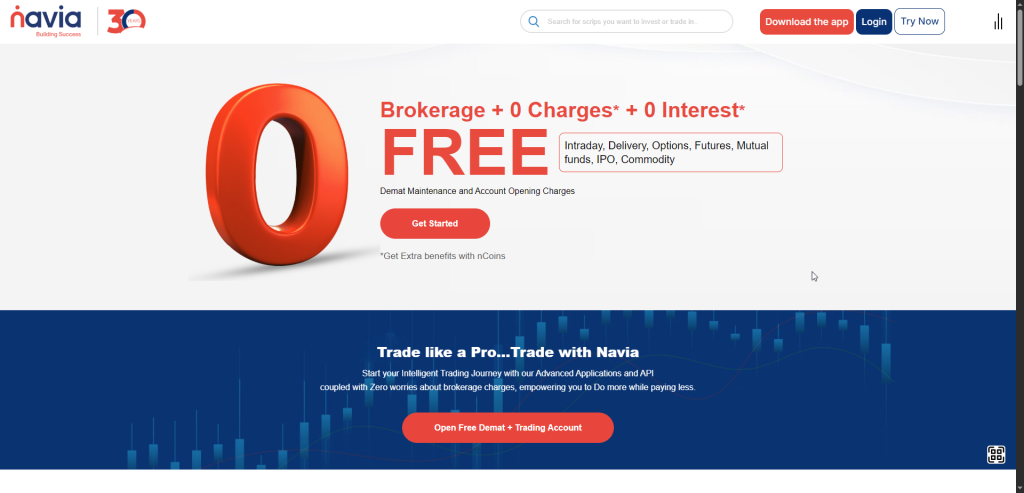
Navia (formerly Tradeplusonline) has also made a strong statement with its “Zero Brokerage for Lifetime” initiative, introduced in early 2025. This means traders can enjoy zero brokerage fees for life across a wide array of segments, including Equity Intraday, Equity Delivery, Mutual Funds, IPOs, Futures & Options (F&O), Commodities, Exchange-Traded Funds (ETFs), and Margin Trading Facility (MTF). This extensive coverage makes Navia an attractive option for traders who diversify their activities across different market segments.
Opening a Demat and trading account with Navia is free, and they also boast zero AMC for the Demat account. Like Flattrade, Navia prides itself on transparency, stating “real zero brokerage on all trades with no hidden charges.” However, standard statutory and regulatory charges, such as STT/CTT, transaction charges, and GST, will apply. For depository transactions, Navia levies a charge of 0.03% of the transaction value, subject to a minimum of ₹30 and a maximum of ₹300 per transaction when you sell shares from your DP account. Call and trade services incur an additional charge of ₹50 + GST per executed order.
Both FlatTrade and Navia are redefining the intraday trading landscape by eliminating brokerage fees, giving traders the freedom to trade more and worry less about costs. As the demand for zero-brokerage platforms grows, these two brokers are well-positioned to lead the charge. So, if you’re looking to optimize your intraday trading in 2026, it’s time to explore what these platforms have to offer.